If the cobblestone streets and gas-lit courtyards on the eastern end of Scenic Highway 30A have caught your attention, you are probably weighing Rosemary Beach 30A real estate against a short list of other distinctive coastal towns. Rosemary Beach is one of the most architecturally cohesive communities on the corridor — a walkable, New Urbanist town where homes, shops, pools, and the Gulf are knit together by boardwalks and greens. Buying here is as much a decision about a lifestyle and a design philosophy as it is about square footage and price per foot. This guide walks through what makes the town distinctive, how its amenities and market actually work, and what to confirm before you commit. Let's dive in.
Where Rosemary Beach Sits on 30A
Rosemary Beach occupies the far eastern end of Scenic Highway 30A in Walton County, tucked between Inlet Beach to the east and Alys Beach to the west, roughly midway between Panama City and Destin. That position matters for buyers. The east end of 30A has become the corridor's most established luxury cluster, and Rosemary Beach anchors it. Proximity to U.S. Highway 98 and the shops at 30Avenue keeps groceries, errands, and the drive to Northwest Florida Beaches International Airport straightforward — a practical consideration that is easy to overlook when you are focused on the water. For many owners, the appeal is being able to park the car and spend the week on foot or by bike.
The Origins of a New Urbanist Town
Rosemary Beach was founded in 1995. According to the community's own history and public records compiled by Wikipedia, the town was developed by Patrick Bienvenue of Leucadia Financial Corporation and takes its name from Rosemary Milligan, who had owned much of the land since the 1970s. The master plan came from Duany Plater-Zyberk & Company (DPZ), the firm led by Andrés Duany and Elizabeth Plater-Zyberk — the same planners behind Seaside and, later, Alys Beach. Those three communities are the Gulf Coast's best-known examples of New Urbanism, a planning movement built around walkability, mixed-use town centers, narrow streets, and generous shared public space. Understanding that lineage helps explain why Rosemary Beach feels less like a subdivision and more like a small European seaside town.
Architecture That Sets the Town Apart
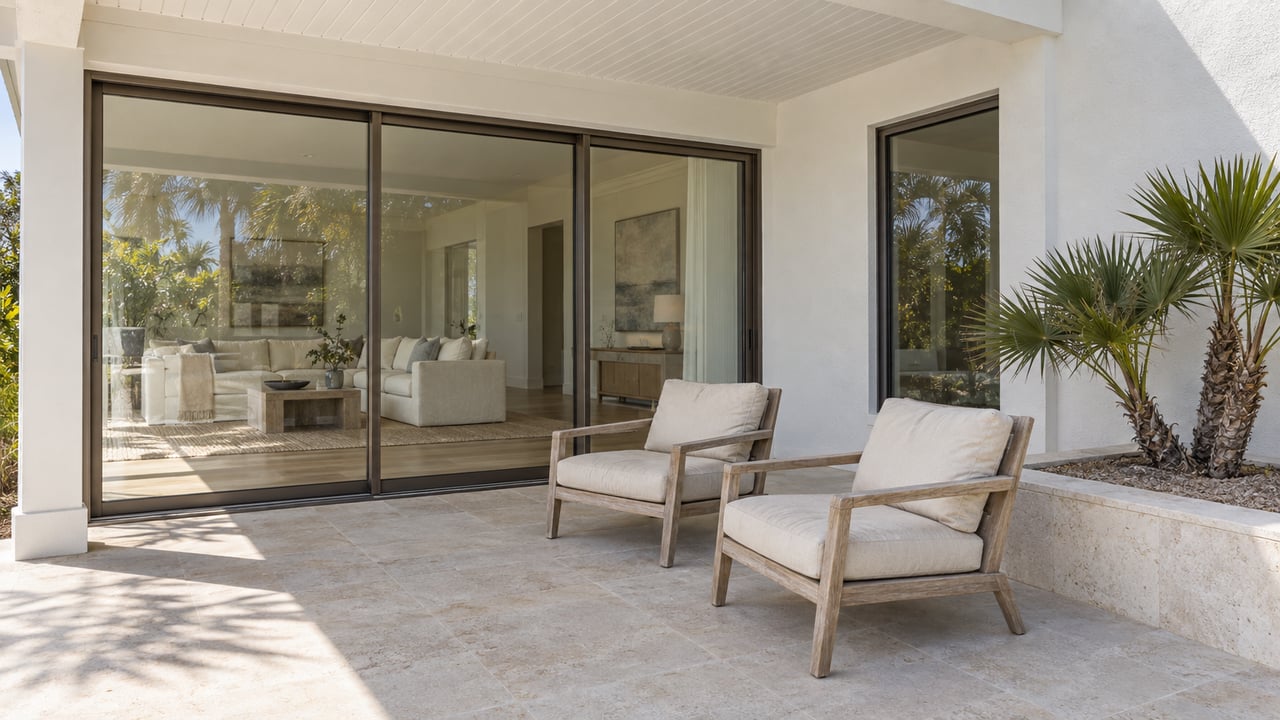
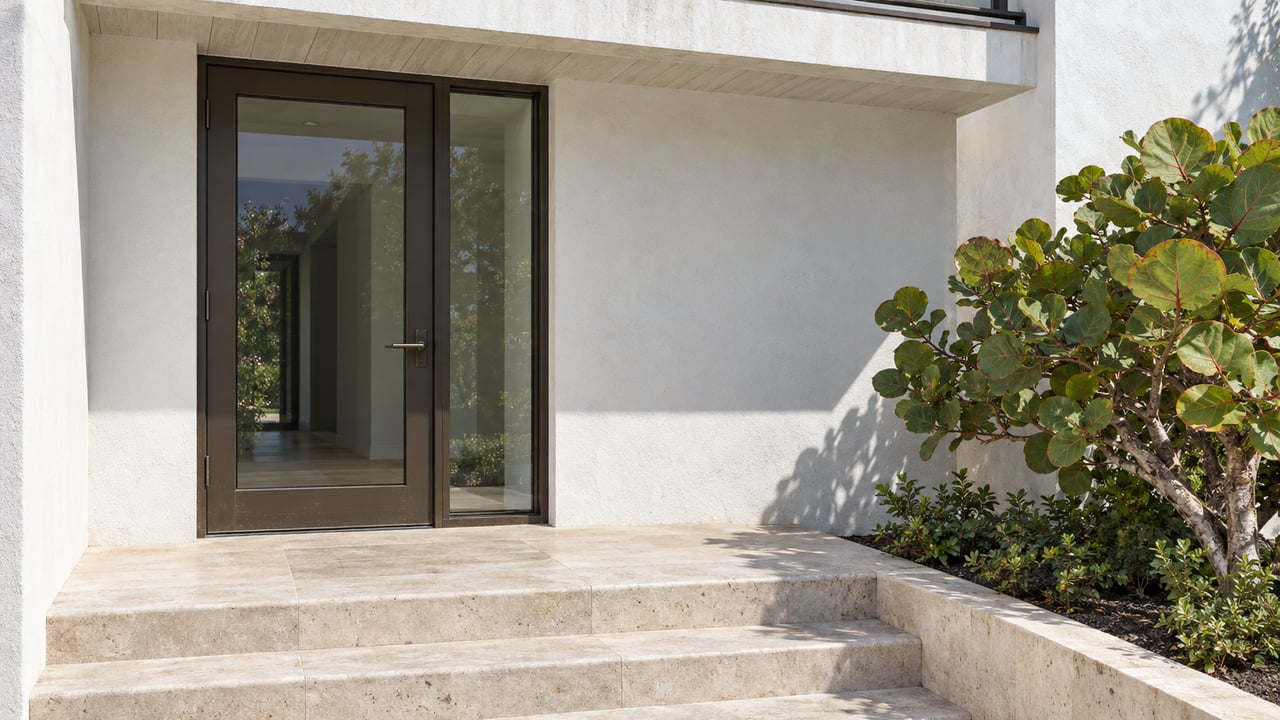
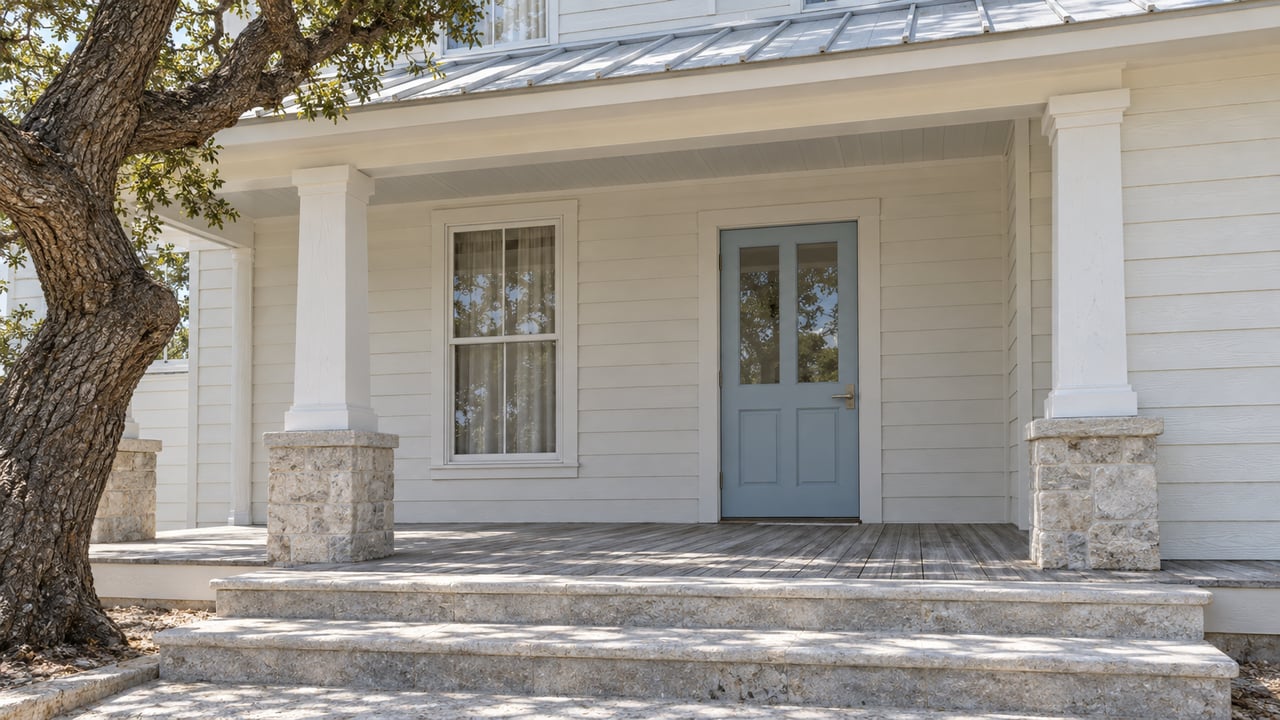
Where Seaside reads as pastel Florida cottage and Alys Beach as white Bermudian minimalism, Rosemary Beach draws on the West Indies and Caribbean, New Orleans' French Quarter, and European Colonial traditions. The result is deep balconies, high ceilings designed for air circulation, natural materials, and muted, earthy palettes, set along cobblestone streets lit by gas lanterns. A town architect and design-review process keep the look cohesive. For buyers, that design code is a double-edged value driver: it protects the town's distinctive, consistent character — arguably supporting long-term value — but it also means renovations, additions, and new construction are reviewed and constrained. If you plan to build or remodel, factor the approval process into your timeline and budget.
Amenities Owners Actually Use
Ownership in Rosemary Beach comes with a genuinely usable amenity package rather than a token clubhouse. The community maintains four pools — Barbados, Cabana, Coquina, and the indoor, heated Sky Pool — which means swimming is a year-round option, not just a summer one. The Rosemary Beach Racquet Club offers eight green-clay (Har-Tru) tennis courts, four of them lit for evening play, and a fitness center on East Water Street rounds out the active side. Most of the town center sits within about a five-minute walk of these amenities. The trade-off is that they are funded through homeowners' association dues, so the amenity quality and the carrying cost are two sides of the same coin — something to model carefully before you buy.
Dining, Shops, and the Town Center
Rosemary Beach's town center is organized around North and South Barrett Square, where restaurants, boutiques, the post office, and town hall sit within a short walk of most homes. Dining anchors include Restaurant Paradis, a seasonal, seafood-and-steak dinner spot on the corner of 30A and South Barrett Square; Edward's Fine Food & Wine on Main Street; the Spanish-inspired La Crema Tapas & Chocolate; the casual Cowgirl Kitchen; and Amavida Coffee & Tea for the morning ritual. At the town's edge, The Pearl — an AAA Four-Diamond, 55-room boutique hotel that opened in 2013 — houses Havana Beach Bar & Grill and a rooftop bar with Gulf views. For owners, a walkable, well-regarded dining scene is more than a lifestyle perk: it is a meaningful driver of vacation-rental demand if you intend to rent.
Beach Access and the Boardwalks
Rosemary Beach's Gulf frontage is reached through a series of private walkovers reserved for owners and their guests, typically entered with a code or wristband; the nearest fully public access is at neighboring Inlet Beach. The town's New Urbanist layout connects homes to the sand through a network of boardwalks, walkovers, and greens, including the Western and Eastern Greens that frame Gulf views and serve as gathering spaces. Some walkovers add conveniences such as restrooms and an outdoor shower. The key point for buyers is that beach access here is a private-community amenity governed by the association, not a deeded stretch of private sand — an important distinction when you compare Rosemary Beach to true Gulf-front parcels elsewhere on 30A.
What Rosemary Beach 30A Real Estate Costs
Rosemary Beach sits at the top of the 30A price spectrum, and its market is small and volatile — only a handful of homes change hands in a typical month, so the reported median can swing sharply from one period to the next. According to Redfin, the median sale price was about $2.9 million in October 2025, up roughly 13% year over year, with median price per square foot around $1,620. By spring 2026, a richer mix of high-end closings pushed Redfin's reported median above $5 million for May 2026, while Movoto recorded a median nearer $3.4 million in April 2026 — a spread that reflects sample size more than any sudden surge. The practical takeaway: most single-family homes here trade in the multimillion-dollar range, price per square foot is among the highest on the corridor, and inventory can sit for months, with Redfin reporting average days on market near 190 in late 2025. Condominiums and carriage units in and around Barrett Square generally offer lower entry points than detached homes. Because the sample is thin, lean on comparable sales over the past year or more rather than any single month's headline number.
What to Verify Before You Buy
Rosemary Beach rewards diligence. Before you make an offer, confirm the following with your agent and the relevant providers:
- HOA dues and coverage: exactly what the dues fund (pools, racquet club, fitness, landscaping, security) and whether any special assessments are pending.
- Rental rules and realistic income: if you intend to rent, verify the current policies, management options, and recent occupancy and rate data with a local manager — not just a pro forma.
- Architectural review: the approval requirements and typical timelines for any renovation, addition, or new build.
- Insurance, flood zone, and wind coverage: the east end of 30A carries real wind and flood exposure, so get quotes early and budget for them.
- Beach-access logistics: the nearest walkover to the specific property and the current code or wristband policy.
- Recent comparable sales: the last 12 to 18 months of comps, given how few homes sell in any single month.
Making a Confident Move in Rosemary Beach
Rosemary Beach is a town for buyers who value design, walkability, and a cohesive community as much as proximity to the Gulf — and who want to understand the carrying costs and market dynamics behind the postcard. The strongest decisions here come from pairing an honest look at the lifestyle with a clear-eyed read of the numbers. If you want help evaluating Rosemary Beach 30A real estate — weighing a town-center condo against a single-family home, modeling carrying costs and rental potential, or comparing the east end against the rest of the corridor — connect with Mark Stroop LLC. The team brings local 30A knowledge, analytical guidance, and practical insight for buyers looking at primary homes, second homes, and investment property.
FAQs
Where exactly is Rosemary Beach on 30A?
Rosemary Beach is on the far eastern end of Scenic Highway 30A in Walton County, between Inlet Beach to the east and Alys Beach to the west, roughly midway between Panama City and Destin.
Who designed Rosemary Beach, and when was it founded?
The town was founded in 1995 and master-planned by Duany Plater-Zyberk & Company (DPZ), the firm behind Seaside and Alys Beach. It is named for Rosemary Milligan, a longtime local landowner.
How much does a home in Rosemary Beach cost?
It is a luxury, low-volume market. Redfin reported a median sale price around $2.9 million in October 2025, but the figure is volatile and has been reported well above $5 million in higher-end months of 2026. Condos and carriage units typically start lower than detached homes; lean on recent comparable sales.
Is the beach private?
Beach access is through private walkovers reserved for owners and guests, generally entered with a code or wristband. It is a community amenity rather than deeded private beach; the nearest public access is at Inlet Beach.
What amenities come with ownership?
Owners have access to four pools (including the indoor, heated Sky Pool), eight green-clay tennis courts at the Racquet Club, a fitness center, and a walkable town center — all funded through HOA dues.
Can I rent my Rosemary Beach home short-term?
Rosemary Beach is a well-established vacation-rental market, and its walkable town center supports demand. Confirm the specific rental rules, HOA provisions, and management options for any property before you buy.