If you have ever walked through Seaside and wondered why it feels so different from many beach towns, the answer is built into the place itself. Seaside was designed with intention, from its cottage-scale homes and front porches to its walkable streets and central gathering spaces. If you are considering buying in Seaside or simply want to understand its appeal, this guide will show you how the town’s architecture, design, and daily rhythm all work together. Let’s dive in.
Why Seaside Stands Out
Seaside sits in Walton County along Scenic Highway 30A on the Gulf, but its significance goes beyond location. Robert Davis hired Andres Duany and Elizabeth Plater-Zyberk in 1980 to plan 80 acres of family land, and construction began in 1981. Today, Seaside describes itself as the world’s first New Urbanist town.
That claim matters because Seaside helped shape how many people think about walkable coastal communities. The Congress for the New Urbanism identifies Seaside as the birthplace of New Urbanism and notes that it became a practical model for later Florida communities, including Rosemary Beach, Alys Beach, and Celebration. In other words, Seaside is not just charming. It is influential.
Seaside’s New Urbanist Design
At its core, New Urbanism focuses on creating places where daily life is easier on foot and where homes, public spaces, and businesses work together. Seaside was planned around that idea from the beginning. Instead of spreading uses far apart, the town brings the beach, shops, dining, and gathering places into close relationship.
That design still shapes how you experience the town today. Seaside says it is about a 10-minute walk from end to end and about a 5-minute walk to the town center. That compact layout helps create a place where walking and biking feel natural, not like an extra effort.
A Town Built Around People
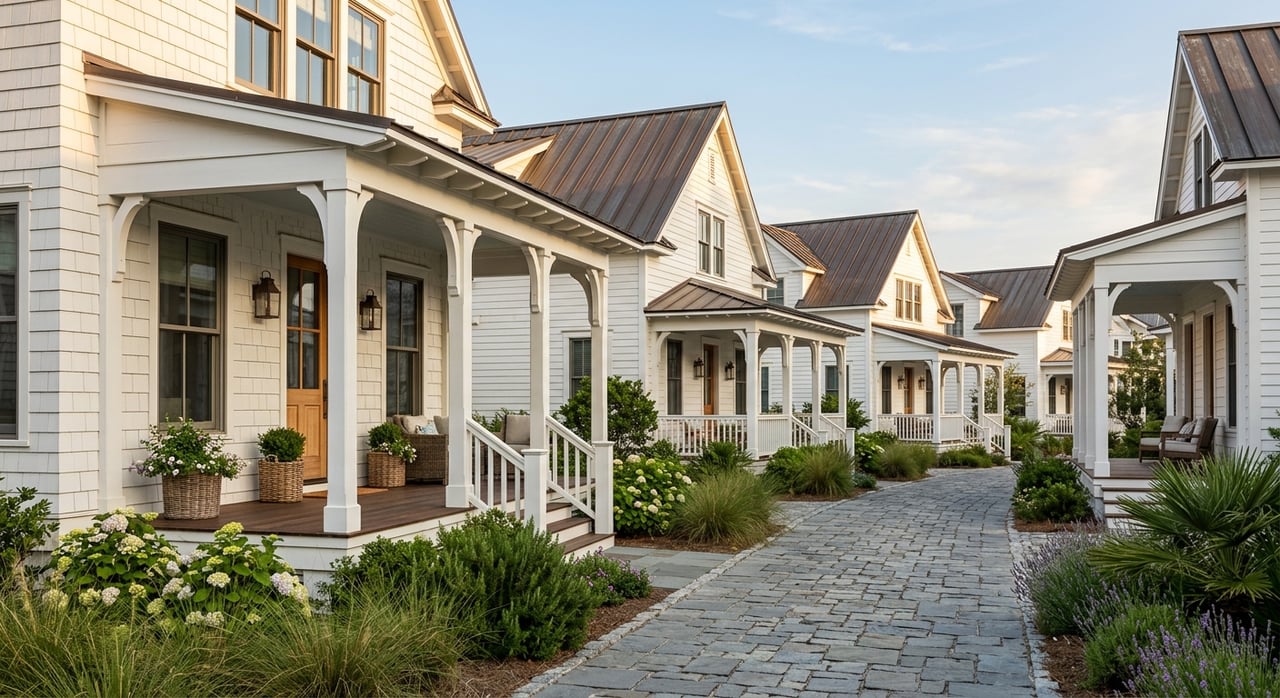
Seaside’s streets and paths were designed to support movement at a human scale. Brick-paved streets, white-sand footpaths, and a centrally located square connect homes to shops, restaurants, and the beach. The layout encourages you to park once and spend the rest of the day on foot.
That approach changes more than transportation. It also changes pace. When your route to coffee, dinner, or the beach includes porches, paths, lawns, and public squares, daily life feels more connected and less car-centered.
Seaside Architecture and Visual Identity
Seaside’s early visual identity was intentionally different from typical suburban development. Its official history points to simple beach cottages, front porches, native vegetation, and lawns without sod. A pioneer account adds details like wood-frame cottages, picket fences, a post office, chapel, school, town center, pedestrian streets, deep roof overhangs, operable shutters, cross ventilation, and inviting porches.
Taken together, these elements create a town that feels relaxed yet carefully composed. The homes are not meant to dominate the streetscape. Instead, they contribute to a shared visual language that supports the overall character of the town.
Why Porches Matter
Front porches are one of Seaside’s defining features. Architecturally, they soften the transition between private homes and public streets. Socially, they help the town feel open and neighborly by putting more life in view of sidewalks and lanes.
Porches also suit the coastal setting. Along with deep roof overhangs, operable shutters, and cross ventilation, they reflect practical responses to climate while reinforcing Seaside’s regional style. These are design choices with both aesthetic and everyday value.
A Consistent Regional Code
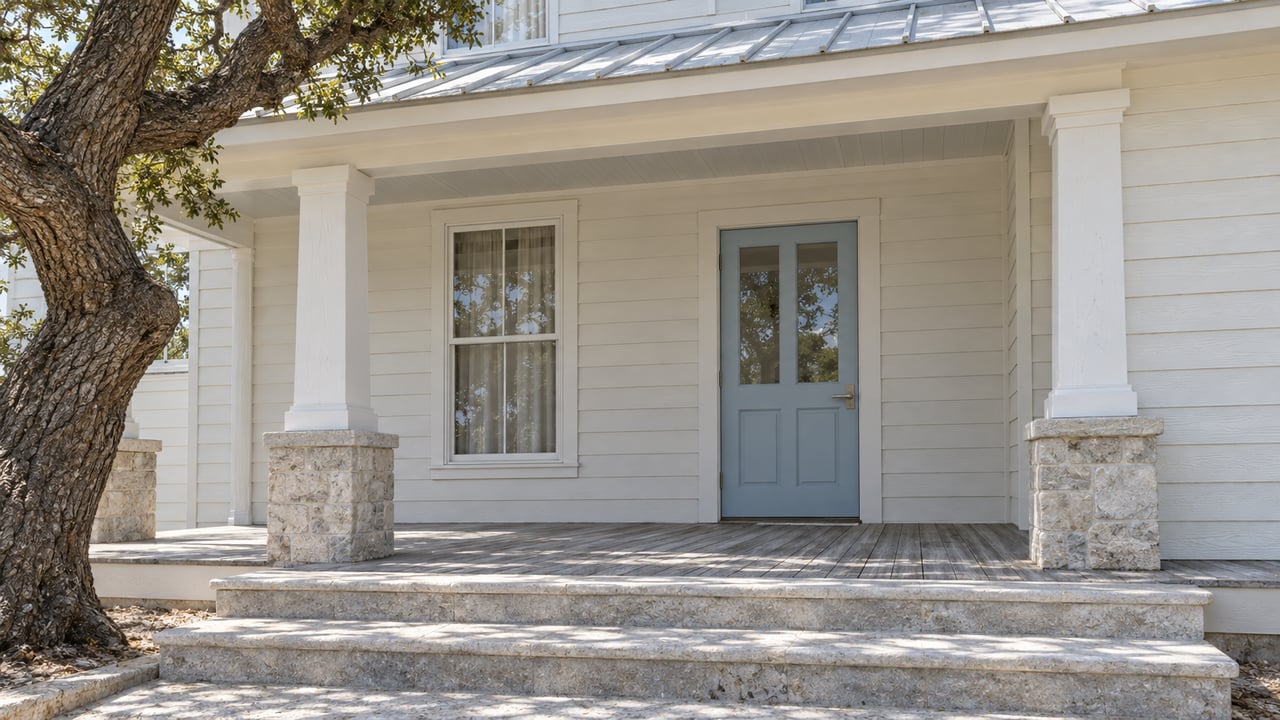
Seaside’s look is not accidental. The town says its form-based code allows variety while keeping key elements such as wood siding, metal roofs, and front porches. That balance helps the neighborhood feel visually cohesive without making every home look the same.
For buyers, this consistency can be a major part of the appeal. You are not just evaluating one home in isolation. You are also considering how that home fits into a broader place with a clear architectural identity.
How the Town Plan Shapes Daily Life
Seaside’s plan is about more than appearance. It directly influences how people move, gather, and spend their time. Because the town center is easy to reach, everyday activities tend to happen within a short walk rather than a drive.
That can be especially appealing if you want a home where lifestyle is built into the setting. In Seaside, access to the beach, dining, shopping, and community events is part of the town’s structure, not an added feature.
Central Square and Public Spaces
Public space is a core part of Seaside’s identity. The first street ended in a pavilion that serves as a gateway to the sea, linking the town plan to the waterfront in a memorable way. Today, Central Square, the amphitheater, the Lyceum Lawn, the Court Lawn, and Seaside Beach all support gatherings, celebrations, and events.
These spaces help create a strong sense of rhythm throughout the year. They are not leftover areas between buildings. They are central parts of how the town functions.
Managed Parking and Walkability
Parking is available in Seaside, but it is managed rather than allowed to dominate the experience. The town describes managed parking and shuttle service designed to reduce congestion. That reinforces the community’s emphasis on exploring on foot.
For visitors and owners alike, that setup supports the kind of environment Seaside is known for. The goal is not to eliminate access. It is to keep the town’s pedestrian character front and center.
The Seaside Lifestyle
Seaside’s lifestyle is closely tied to its design. Because so much is within walking distance, daily routines tend to feel easy and flexible. You can move from the beach to lunch, from shopping to an evening event, without needing to organize your day around driving.
That convenience gives Seaside a village rhythm that many buyers find compelling. It feels active and social, but also intimate in scale.
Dining and Shopping Within Reach
Seaside says its restaurants, waterfront bars, and Airstream Row food stands are all within easy walking distance of one another. Gulf-view dining is also available right on the water. This concentration of options supports the town’s walkable lifestyle and makes casual outings feel simple.
Retail follows the same pattern. Seaside describes itself as one of the 30A coast’s most walkable shopping destinations, with boutiques, art galleries, home furnishings, and specialty gift shops near the beach. That mix adds texture to daily life without requiring a long itinerary.
Events and Community Rhythm
Seaside’s social calendar is a meaningful part of its identity. The official farmers market takes place in the Amphitheater, and the town maintains a steady schedule of community programming and seasonal celebrations, including major holiday events such as the Fourth of July.
For buyers, that matters because it shows how the town functions beyond architecture alone. Seaside is designed not only to look cohesive, but also to host shared experiences in its public spaces.
What Buyers Should Consider About Seaside
For design-minded buyers, Seaside offers a rare combination of architectural consistency, walkability, and shared public life. If you value being able to reach the beach, dinner, shopping, and events without relying heavily on a car, the town’s layout supports that preference in a very direct way.
It can also appeal to second-home buyers and investors who understand that place-making has long-term value. A town with a distinct identity, established planning principles, and strong lifestyle appeal often stands apart in a competitive coastal market. In Seaside, the town design is a major part of the asset.
Fit Matters as Much as Features
When evaluating a home in Seaside, it helps to think beyond square footage and finishes. Consider how you want to use the property. If you want a home where walkability, public spaces, and a recognizable architectural language are central to the experience, Seaside may feel like a strong fit.
That is where local guidance can be especially valuable. Understanding not just the home, but also how its location within the town affects access, rhythm, and day-to-day use can help you make a more informed decision.
If you are exploring Seaside or comparing it with other 30A communities, Mark Stroop LLC can help you evaluate lifestyle fit, property value, and long-term opportunity with clear, locally informed guidance.
FAQs
What is Seaside in Walton County known for?
- Seaside is known for its New Urbanist origin, porch-centered cottage architecture, and walkable village center.
Why is Seaside important in planning history?
- The Congress for the New Urbanism identifies Seaside as the birthplace of New Urbanism and notes that it influenced later Florida communities.
How walkable is Seaside for daily life?
- Seaside says the town is about a 10-minute walk end to end and about a 5-minute walk to the town center, making walking and biking central to daily life.
What architectural features define Seaside homes?
- Seaside’s architectural language includes cottage-scale homes, front porches, wood siding, metal roofs, deep roof overhangs, operable shutters, and other climate-responsive coastal details.
What does everyday life in Seaside feel like?
- Daily life centers on short walks to the beach, dining, shopping, farmers markets, and recurring events, creating more of a village rhythm than a purely resort-only feel.